About Entropy
Revolutionizing gaming with AI-driven, ever-evolving worlds that run seamlessly on your PC. Real-time interaction. No per-call fees. Just endless freedom to explore, create, and play.

The best part of games was never the quest log.
It was the moment you stepped into the unknown: what's behind that door, what's beyond that ridge, who you'll meet in the dark.
"The spirit, the state of mind of a kid when he enters a cave alone must be realized in the game. Going in, he must feel the cold air around him. He must discover a branch off to one side and decide whether to explore it or not..."— Shigeru Miyamoto

But most game worlds aren't truly alive.
NPCs can talk, walk, and trigger scenes, yet they don't really know you.
After a while, you realize the "unknown" was written in advance.

We've been waiting for a new kind of game for a long time.
Not bigger maps. Not sharper textures.
A world that responds, where characters understand you, remember you, and keep living when you're not looking.
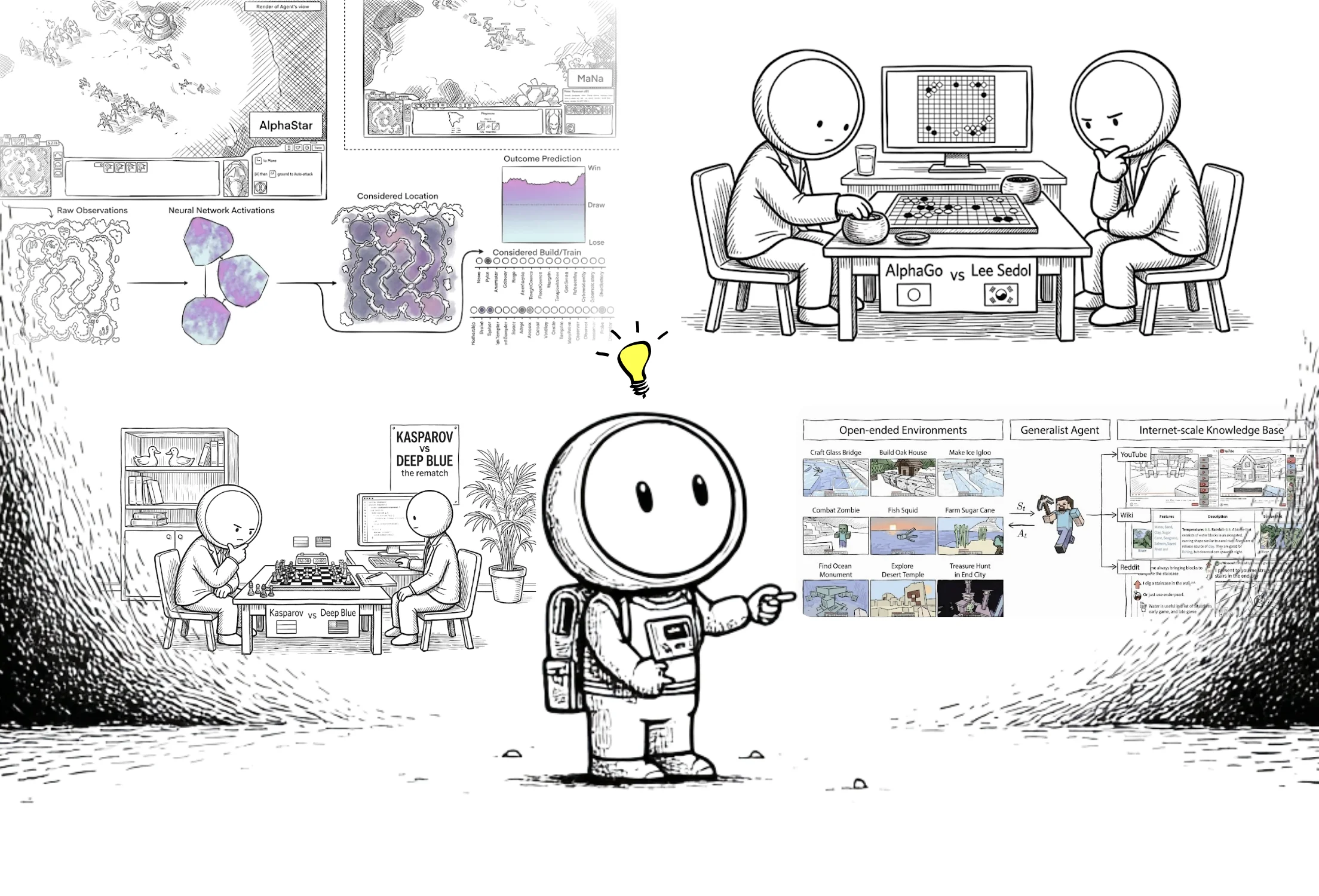
AI has been part of games for decades.
It beat humans in chess[2] and Go[3], reached superhuman performance in real-time strategy[4], and later moved into sandbox worlds to explore, plan, and execute long-horizon tasks[5][6].
But these milestones mostly proved capability: how to win, how to optimize, how to complete objectives.
A great NPC isn't here to outplay you. It's here to make your adventure mean something.
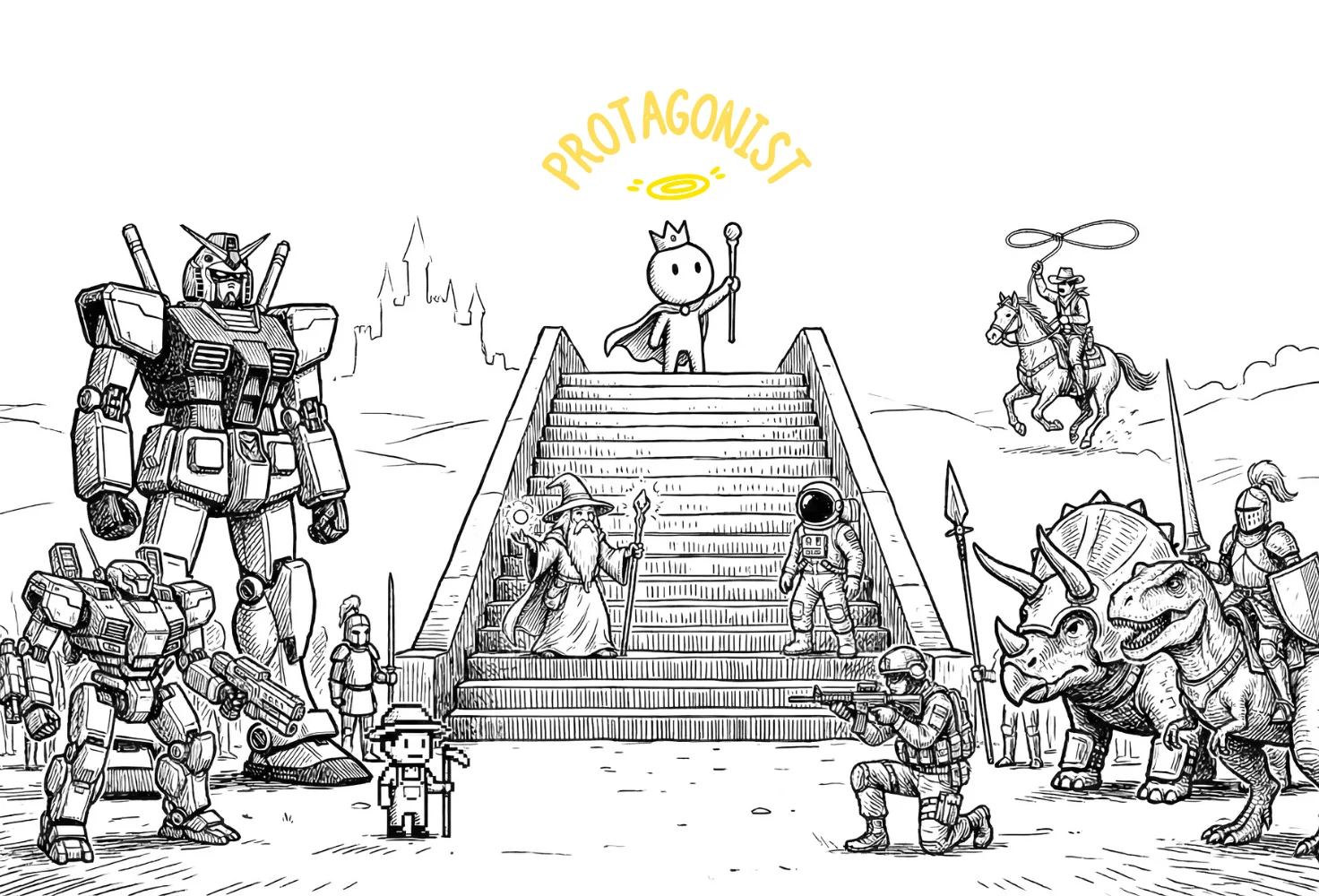
In games, the story belongs to the player.
NPCs shouldn't be "more capable AI." They should feel like someone, with a distinct voice, visible flaws, and a presence you can sense.
They should understand dramatic timing, so each moment lands for the player: when to speak, when to pause, and when to move the story forward.
Then you hit a wall.
Today, real-time AI in games is still expensive at scale, and the bill grows with every message, every character, every moment.
In many cloud setups, one hour of play can cost from a few dollars to tens of dollars in inference costs, depending on how many characters are active and how often they speak.
Many assume that as models get more efficient and hardware gets faster, AI will naturally get cheaper.
But Jevons' Paradox says otherwise.
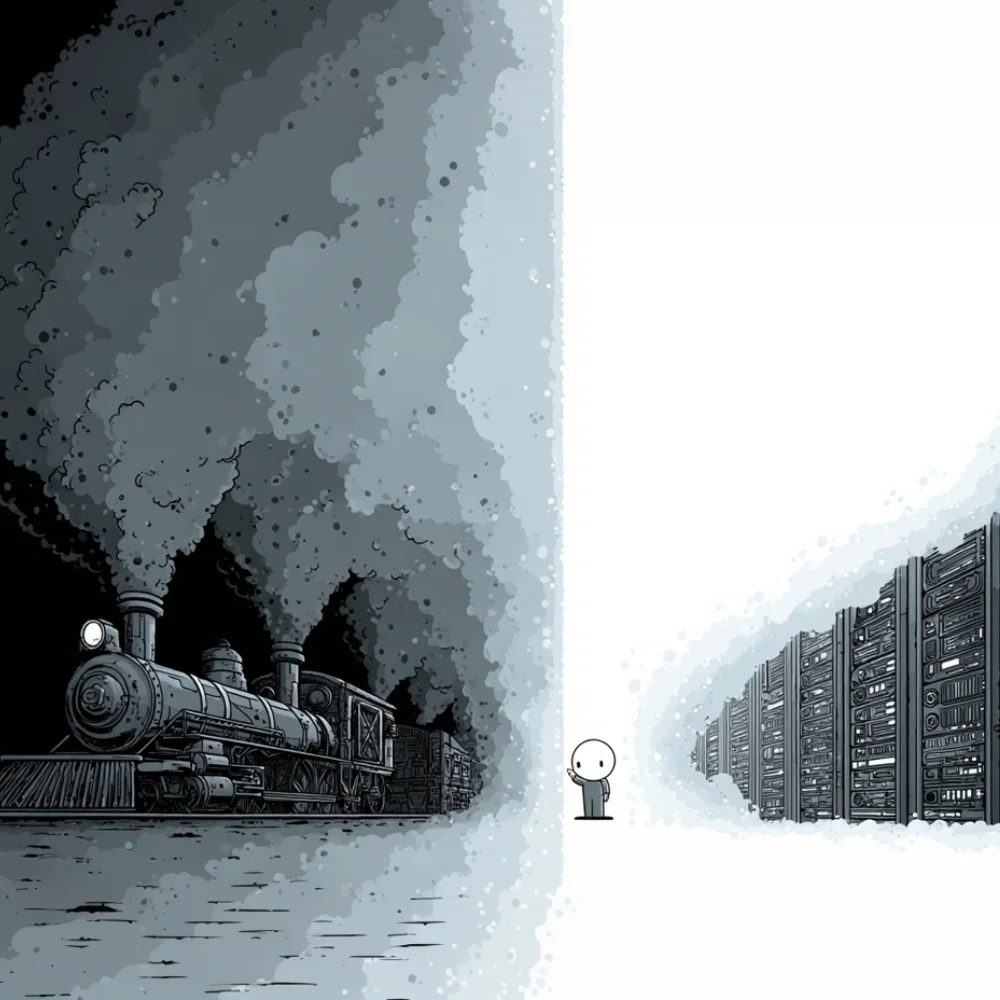
When steam engines became more fuel-efficient, coal use didn't fall.
Industry expanded, steam spread everywhere, and total coal consumption rose instead.[7]
It's a pattern: efficiency can fuel expansion.
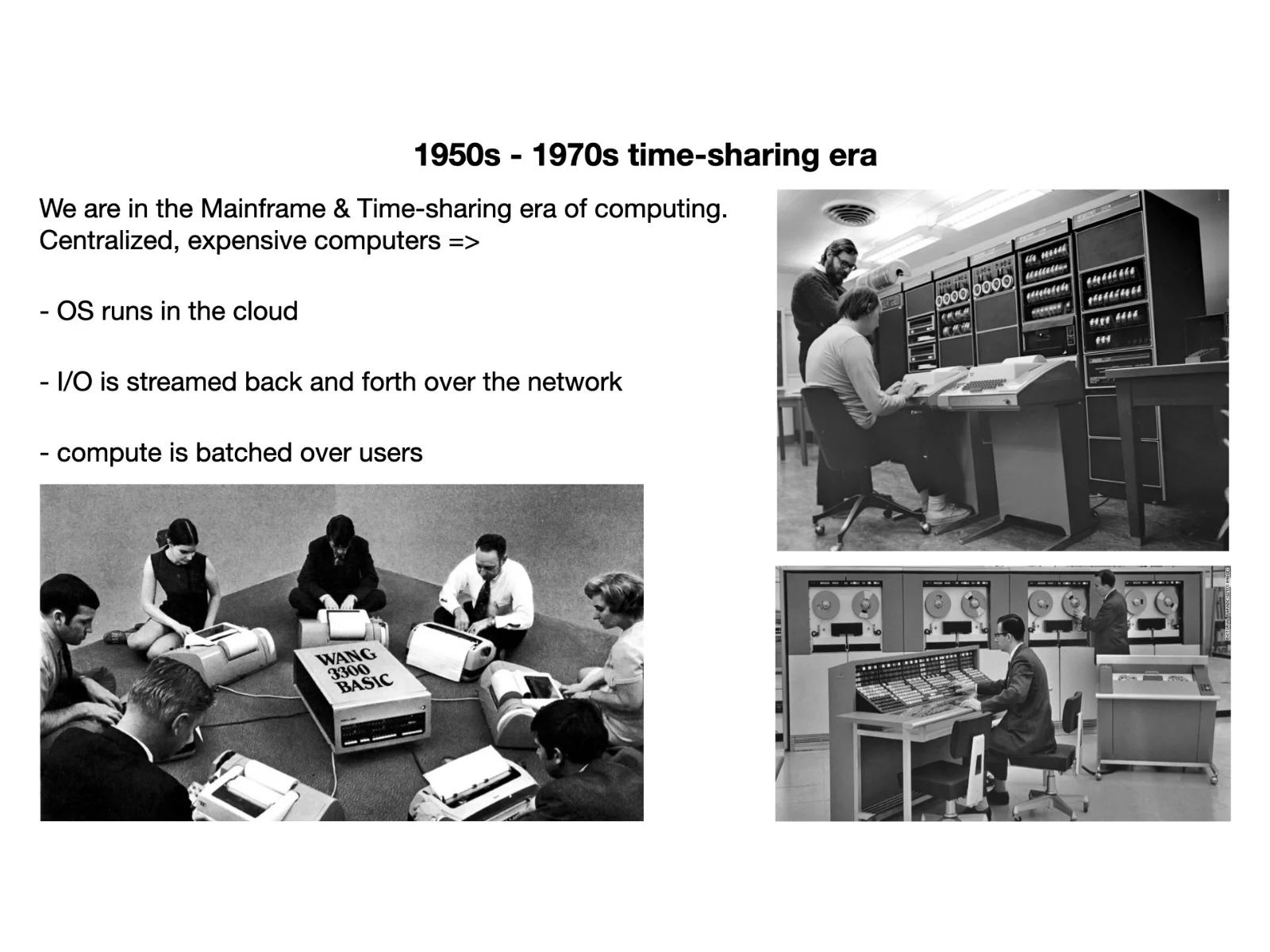
State-of-the-art (SOTA) models follow the same pattern.
As Karpathy frames it, we are still in AI's mainframe and time-sharing era. Compute is expensive, centralized in the cloud, and served to lightweight devices.
In this phase, efficiency rarely shows up as lower prices.
It gets reinvested into more capability and more demand. More agents, more calls, more real-time interaction, more reasoning time, longer context, denser generation.
But this is not the end state.
A personal AI computing revolution will happen. Models will shrink, get quantized, specialize, and run locally by default. Costs become fixed, latency collapses, and the cloud becomes an accelerator, not a tollgate.
That shift matters for games.
AI should not be a metered service glued onto gameplay. It should be the world itself, living inside the loop, running on the player's machine.
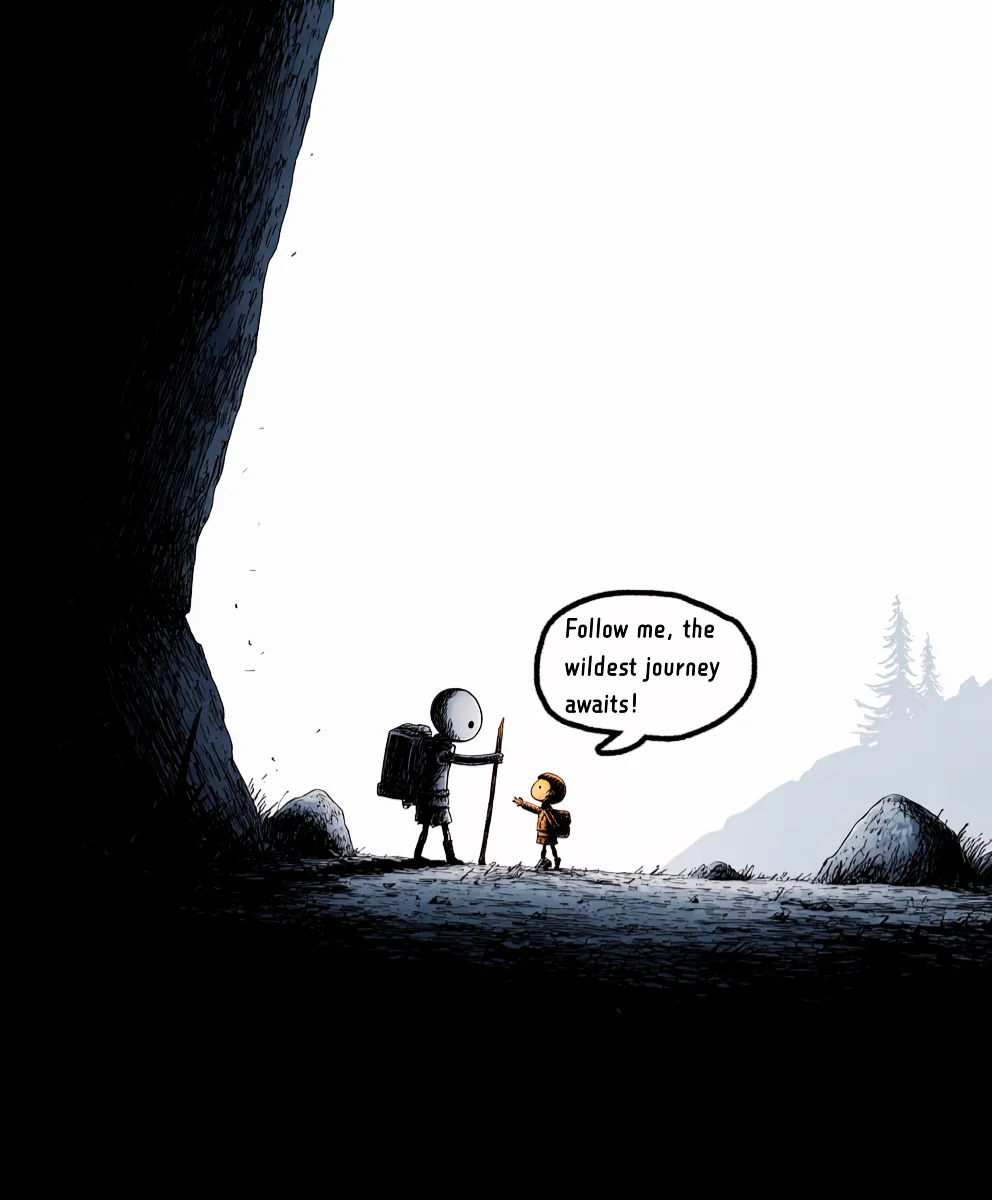
And there's another problem, one that only games can expose.
General-purpose AI can be powerful, but power is not the same as playability.
In a real game, a character has to be controllable, consistent, and stay in-bounds. Otherwise it goes off-tone, breaks the lore, and turns into a chatbot the game can't build on.
A game is not a chatroom.
It's a crafted experience with pacing, intent, and meaning.
The world has rules, the story has gravity, and every role exists for one reason: to serve the player's journey.
So the promise of AI in games is not random generation. It's life with direction.
The stability of traditional game design, with a new kind of magic.
Real conversation, real reactions, and stories that can keep unfolding.

So we chose a harder path.
We run models locally on your PC. No per-call fees. No tolls.
A living world shouldn't be something you rent by the message.
To make that possible, we built for consumer hardware from day one.
A stack of small, efficient models, trained and post-trained for real-time play.
Language and voice, plus lightweight neural modules that keep characters grounded in the world.
And we made the AI runtime a first-class system inside the engine.
Not a separate service on the side.
It runs on the same loop as rendering, physics, animation, and simulation, sharing the same budget and the same beat.
When AI lives in the loop, play stops being "input" and becomes "story."
The moments designers used to encode as control logic, like actions, failure, hesitation, and interruption, become signals the character can feel and respond to.
That is how characters stop sounding scripted and start feeling alive.
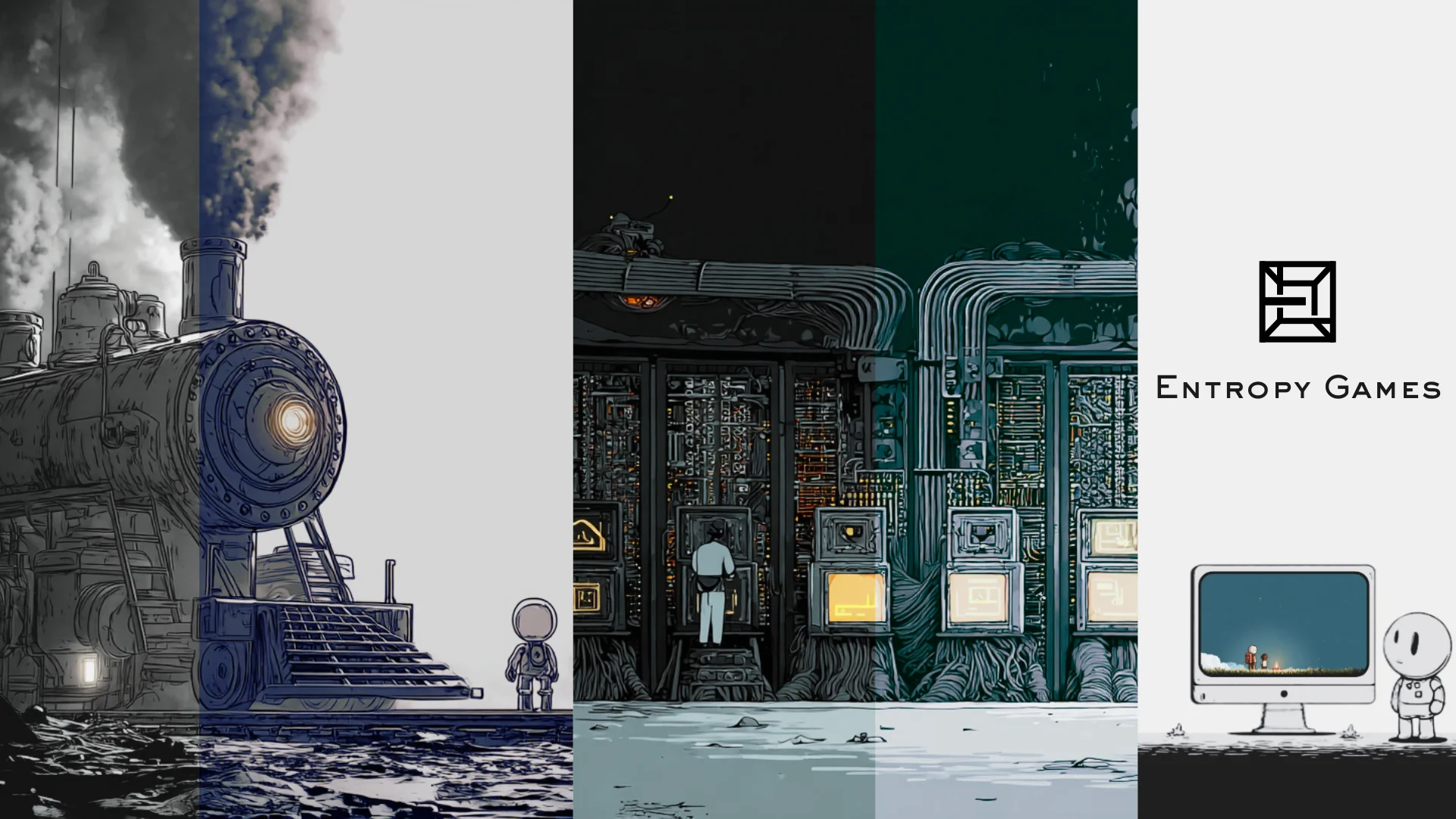
We're not building a smarter model.
We're building a more interesting world for every player.
A world anyone can enter on an ordinary PC.
And a world where players and developers can define characters in familiar game-design terms and watch them evolve reliably over time, with no AI background required.
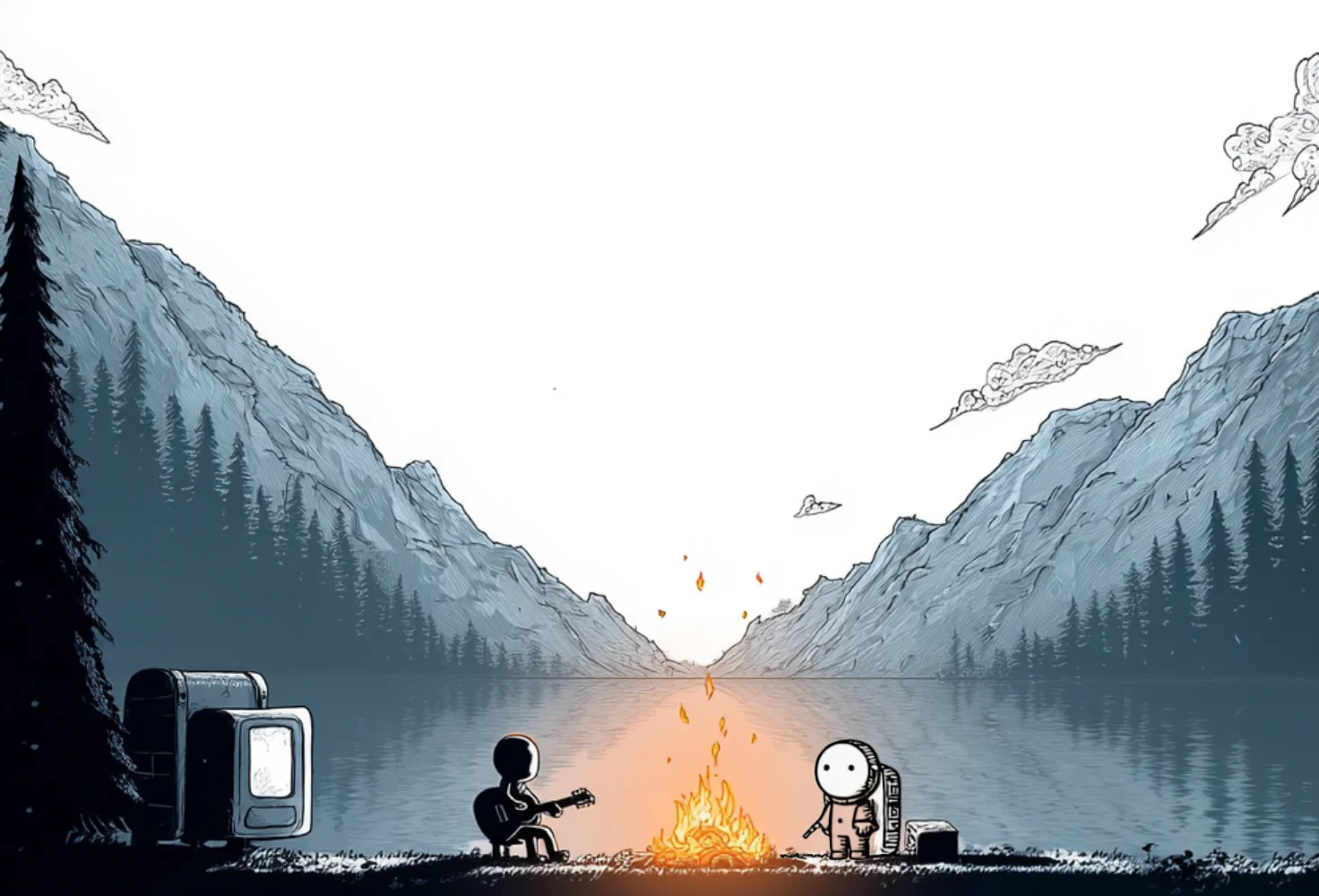
One day, you'll open your laptop and enter a world that doesn't pause.
You won't just complete quests. You'll travel with someone.
You get lost in the rain, and they wait.
You stay silent, and they stay with you, in their own way.
A small choice echoes days later, shifting trust and trajectory.
You close the game to sleep. It keeps moving.
You return, and the fire is already lit.
You get that childhood feeling back.
When you open a door, you truly don't know what happens next,
because the people in this world are making choices, too.

This is what our team is building.
A living world that runs on an ordinary PC.
We believe this is the next era of games.
Not worlds you consume, but worlds that respond.
Not characters you trigger, but characters you grow with.
The future won't arrive on its own.
It has to be built, and it has to be built the right way.
If you feel it too, join us.
Help us bring this world to life.
References
[1] Background reading: Nick Paumgarten, "Master of Play" — The New Yorker, 2010
[2] Deep Blue vs. Garry Kasparov — Wikipedia
[3] AlphaGo — DeepMind
[4] AlphaStar — DeepMind
[5] MineDojo — minedojo.org
[6] Voyager — voyager.minedojo.org
[7] Jevons paradox — Wikipedia

We're a team of game developers, AI researchers, and machine learning engineers, driven by a single mission: to create the most immersive and engaging games that push the boundaries of interactive entertainment.
Our focus isn't just on building great technology. It's about building worlds that feel alive. We believe that AI and machine learning are the key to crafting dynamic, evolving game worlds where characters grow, adapt, and respond to players in real time.
If you're passionate about revolutionizing the gaming experience with cutting-edge technology, we'd love to hear from you. This is your chance to help shape the future of gaming.